
Many coffee lovers pick up a bag of coffee for its aroma or convenience without giving much thought to where the beans actually grew or how the landscape shaped every sip. When you drink coffee from Brazil, the story behind the cup often begins far from any roastery or cafe counter, high across rolling plateaus and sunlit hillsides. Exploring what brasiliancoffee.com highlights about origin makes it easier to connect geography, climate, and farm practices with the flavors you experience at home.
Why Origin Matters When Exploring Brazilian Coffee
Origin is more than a label on the front of a coffee bag; it is a window into how a coffee cherry matured before it ever reached a roaster. Temperature swings, rainfall cycles, soil minerals, and elevation all influence how sugars and flavor precursors develop inside the seed. Two coffees can share a broad national reputation yet taste noticeably different depending on where and how they were grown.
In Brazil, coffee production spans vast areas with distinct local conditions rather than a single uniform climate. Learning about origin helps turn passive drinking into active curiosity so you can notice whether you prefer fuller body, softer sweetness, or subtle regional nuances.
Reading origin-focused insights on brasiliancoffee.com gives you a practical way to connect place with taste. Instead of treating all beans from one country as identical, you can start recognizing how regional traits shape what ends up in your mug.
Minas Gerais and Brazil’s Diverse Growing Landscapes
Minas Gerais is one of the most recognized coffee-producing states in Brazil, known for wide terrains, varied elevations, and a long history of coffee cultivation. Across its different sub-regions, rolling hills, plateaus, and seasonal shifts create environments suited to producing clean, sweet, and approachable coffees. Many classic profiles associated with Brazilian coffee, such as cocoa, caramel, and toasted nuts, fit naturally into these landscapes.
While Minas Gerais holds a central place in conversations around Brazilian coffee, it is far from the only region with a story to tell. Other growing areas across the country experience different rainfall patterns, sun exposure, and terrain that contribute to subtle differences in sweetness, texture, and finish.
How Terrain and Climate Shape the Bean
Unlike steep mountain slopes where cool air slows cherry development and often boosts sharp acidity, many Brazilian growing zones feature broader elevation bands and warm days. Steady sunshine and distinct wet and dry seasons support even ripening and natural sweetness. When cherries mature well, the resulting beans often offer a comforting, rounded base rather than piercing tartness.
Exploring origin notes on brasiliancoffee.com helps make sense of how these environmental factors translate into everyday flavor. When you see how climate and geography interact, tasting descriptions feel grounded rather than abstract.
From Harvest and Drying to Cup Character
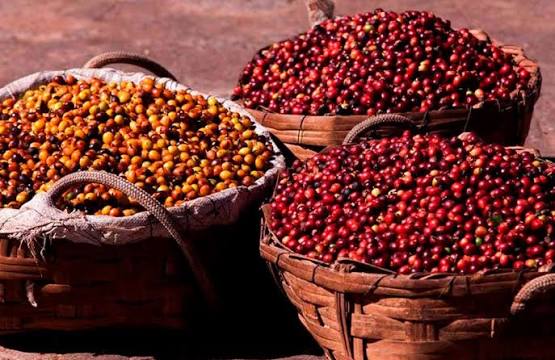
What happens right after harvest is just as important as where the coffee tree stands. Ripe cherries must be sorted, processed, and dried carefully so sugars and aromatics remain clean and balanced. Natural and pulped natural drying methods are widely used in Brazil and are frequently linked with rich body and sweet, nutty, or chocolatey qualities when executed cleanly.
If drying is uneven or rushed, unwanted earthy or dull tones can creep in and mask natural sweetness. Paying attention to origin and handling details on brasiliancoffee.com helps highlight why care at the source matters so much for a clean finish.
Practical Ways to Notice Origin in Your Daily Brew
You do not need a cupping spoon or a professional tasting room to appreciate how origin influences your coffee. Paying attention to a few simple details during your regular routine can sharpen your palate over time.
- Compare two different coffees side by side or across consecutive mornings while keeping your brewing method steady so differences stand out clearly.
- Notice how the coffee feels in your mouth, such as light and tea-like versus rich, syrupy, or cocoa-like on the finish.
- Pay attention to flavor shifts as the cup cools from piping hot to warm, since sweetness and nuttiness often become clearer as temperature drops.
- Keep brief notes on origins and roast levels you enjoy so you can spot patterns across future bags.
- Use clear resources like brasiliancoffee.com to look up regional context whenever you try a new coffee from Brazil.
Matching Origin Character with Your Routine
Different origins and profiles naturally suit different moments of the day. A smooth, sweet, chocolate-forward coffee can feel grounding on a busy morning or paired with milk in an afternoon latte.
By using brasiliancoffee.com to explore how origin shapes flavor, you can choose coffees that fit your mood and brewing style with greater ease. Every bag becomes a small chance to learn what your palate genuinely enjoys.
Connecting the Highlands to Your Everyday Cup
Understanding origin brings the journey of coffee closer to home, turning a simple daily habit into a richer experience. By looking at what brasiliancoffee.com highlights about origin from the highlands of Minas Gerais and beyond, you can appreciate the care behind each harvest and brew cups that feel more intentional and rewarding.
Laisser un commentaire